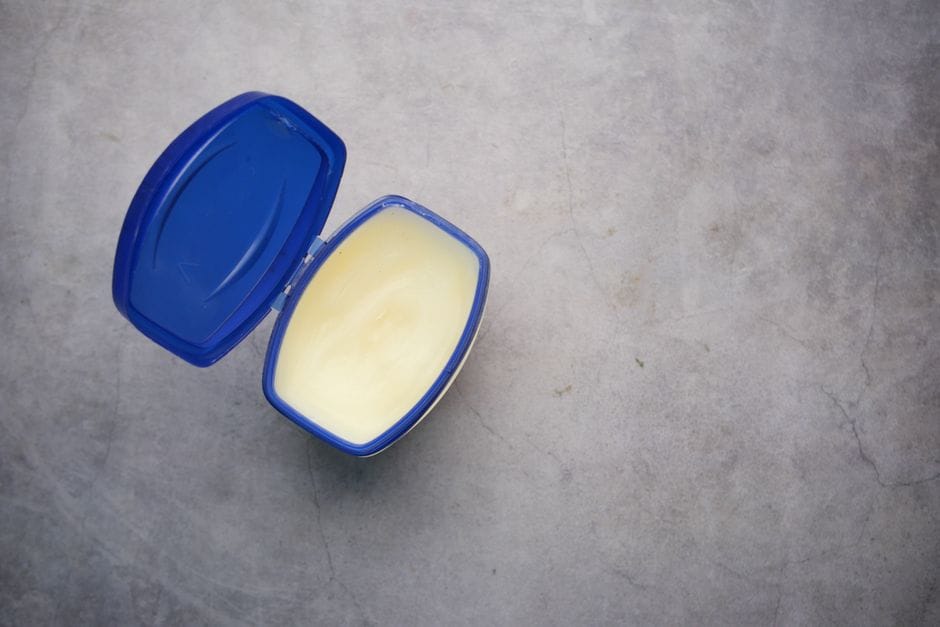
Slugging sounds unappealing and looks worse, but it is just a nickname for sealing your skin overnight with a thin layer of an occlusive. For dry or barrier-stressed skin, it can be the difference between waking up tight and waking up soft.
How it works
An occlusive like petrolatum does not add moisture itself. It forms a barrier on the surface that stops the water already in your skin from evaporating overnight. Trapped hydration is what leaves skin plump and calm by morning.
- Cleanse and hydrate first: slugging seals in what is underneath, so apply your serum and moisturizer before.
- Use a thin layer: a small amount over the top is enough; more just transfers to your pillow.
Who should and shouldn't
Dry, dehydrated, and flaky skin tends to love it. Oily and acne-prone skin should be careful, since sealing in oil and product can trigger breakouts. If that is you, try it only on dry zones like the cheeks.
Skip the actives that night
Do not slug over strong retinoids or acids. Sealing them in increases their strength and the chance of irritation. Save slugging for plain hydration nights.
Protect your pillowcase, keep the layer light, and reserve it for when your skin is parched. Used selectively, it is one of the cheapest fixes in skincare.