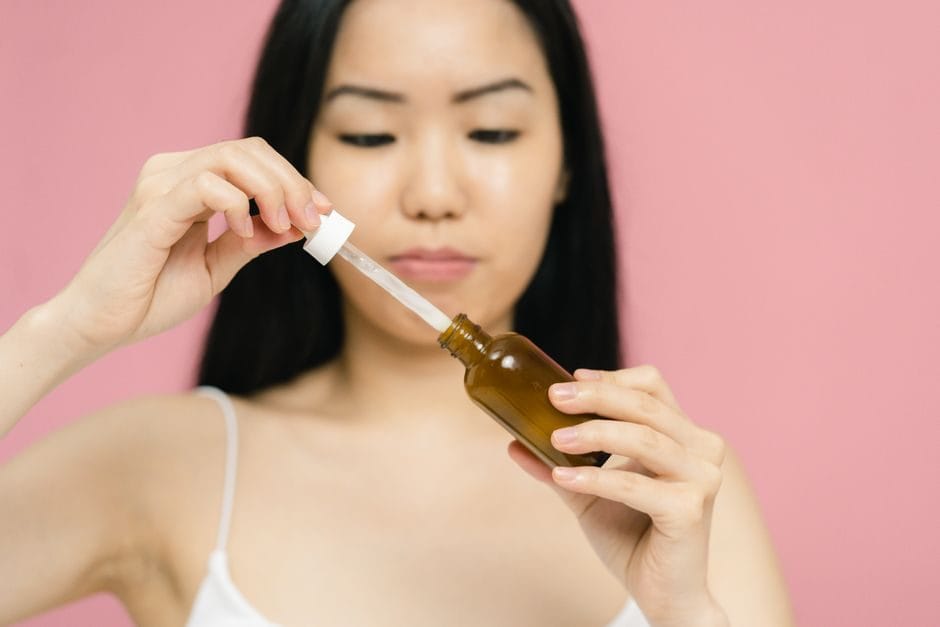
You catch your reflection in the car mirror at a red light and there it is: a new brownish patch high on your cheekbone that definitely wasn't there over the Fourth of July. It's not a freckle, not a tan line, and it isn't going anywhere on its own. What you're looking at is melanin that went into overdrive after weeks of sun exposure, and the six or so weeks right after a patch like that appears are the easiest window you'll get to talk it back down. Wait until October and you're often negotiating with a spot that's decided to stay for the next two years.
Why late summer is prime hyperpigmentation season
Melanocytes, the pigment-producing cells in your skin, don't react to a single sunny afternoon so much as to cumulative UV exposure stacked over weeks, which is exactly what most people have been racking up since Memorial Day. Add heat, sweat, and the friction of constantly touching your face to reapply sunscreen, and you get a second driver: post-inflammatory hyperpigmentation, where any small irritation, from a popped breakout to a wax appointment, leaves a dark mark that lingers far longer than the irritation itself did. Melasma, the hormonally-linked patchiness that tends to show up across the cheeks, upper lip, and forehead, also flares hardest in July and August, which is why dermatology offices from Miami to Seattle report their heaviest pigmentation consultations in late summer rather than in spring.
Sunspot, melasma, or post-acne mark — the difference actually matters
A true sunspot, sometimes called a solar lentigo, is flat, evenly brown, and sharply bordered, usually on the areas that get the most direct sun: cheeks, nose bridge, backs of the hands. Melasma tends to be blotchier, more symmetrical across both sides of the face, and darker in a mustache-like band above the lip or across the forehead. Post-inflammatory marks from a old breakout are usually smaller, round, and sit exactly where the pimple was. This distinction changes your treatment plan more than most people realize: melasma responds poorly to aggressive exfoliation and can actually worsen with heat-generating treatments, while a straightforward sunspot tolerates a much more direct approach.
What actually fades pigment (and the order that works)
Vitamin C serum in the morning is still one of the best-studied options for interrupting new pigment production — look for a stabilized 10 to 15 percent L-ascorbic acid formula like SkinCeuticals C E Ferulic, which runs around $169 a bottle, or a more accessible option like La Roche-Posay's Pure Vitamin C10 for roughly $40. At night, azelaic acid at 10 to 20 percent is the ingredient dermatologists reach for most often on melasma-prone skin because it calms pigment production without the irritation risk of stronger retinoids; The Ordinary's Azelaic Acid Suspension 10% costs about $10 and genuinely holds its own against pricier alternatives. Tranexamic acid, once purely an oral medication for heavy bleeding, has become a legitimate topical pigment-fader over the past few years — Good Molecules and Naturium both sell serums under $20 that pair it with niacinamide. We recommend layering one vitamin C or tranexamic acid product in the morning with one azelaic acid or retinoid product at night, not stacking all four actives into a single routine, because irritated skin makes more pigment, not less.
The one non-negotiable, and the myth that refuses to die
None of the above works if sunscreen reapplication stops the moment you leave the beach. A treated dark spot exposed to unprotected midday sun can redarken within days, which is why dermatologists push tinted mineral sunscreen specifically for pigmentation patients — the iron oxides in a tinted formula, something plain SPF lacks, block visible light in addition to UV, and visible light is a real driver of melasma that most sunscreens ignore entirely. EltaMD UV Clear Tinted runs about $41 and has become something of a cult product for exactly this reason. And no, the lemon juice trick your grandmother swore by does not belong anywhere near your face this summer: citrus oils are phototoxic, meaning they react with sunlight to cause chemical burns and, ironically, more pigmentation than they ever fade. That one's a hard no, not a "use with caution."
A realistic six-week plan
- Morning: gentle cleanser, vitamin C or tranexamic acid serum, tinted mineral SPF 30 or higher, reapplied every two hours if you're outside.
- Evening: double cleanse if you wore sunscreen all day, azelaic acid or a low-strength retinoid three to four nights a week to start.
- Weekly: a gentle chemical exfoliant, glycolic or lactic acid at low percentage, no more than twice a week to avoid triggering more inflammation.
- And honestly, some spots fade faster with patience and consistency than with any single miracle product — six weeks of boring, repeated basics beats two weeks of an aggressive new routine every time.
Not every spot needs a dermatologist.
A single, isolated sunspot from one bad sunburn a decade ago often responds beautifully to consistent at-home treatment and rarely needs professional intervention. Melasma is a different story, and this is where a lot of people waste money on the wrong tier of product entirely. If the patches are widespread, have been there for years, or seem to worsen with heat and hormonal shifts, a dermatologist visit is worth the $150 to $300 consultation fee before you spend three times that on serums that were never going to touch a hormonally-driven condition. In-office options like a series of Cosmelan peels, typically $400 to $700 per session, or Fraxel laser treatments, which run $600 to $1,200 depending on the practice, deliver faster results on stubborn melasma than any drugstore routine ever will — but they also carry a real risk of rebound darkening if aftercare and sun protection slip even once.
Playing the long game into September
Skin turnover slows down as the actives you're using now take effect, so most people see the first real fading around week four, not week one, and full results closer to week eight or ten. Keep the vitamin C and SPF non-negotiable straight through September, since UV index stays high well past Labor Day in most of the country. New spots you catch early, while they're still faint and pink-brown rather than fully set dark brown, respond noticeably faster than ones you've been living with all summer. That patch you spotted at the red light two days ago is, honestly, the easiest one you'll ever treat.