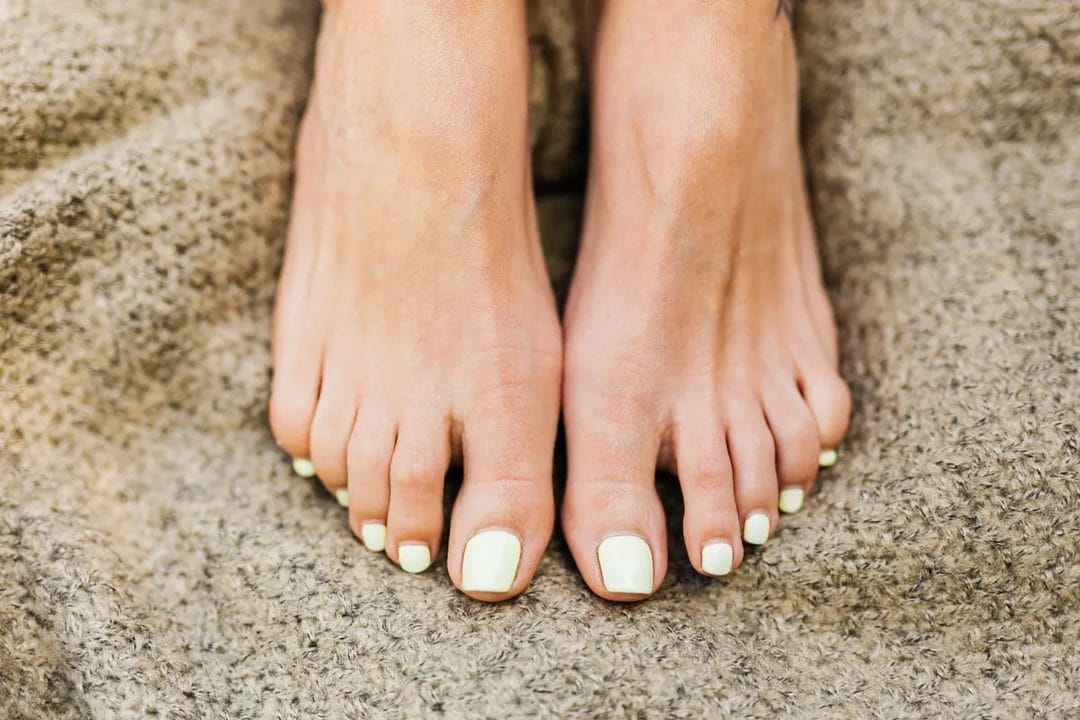
Your sandals came out in May, full of good intentions. By the last week of July, after two months of flip-flops, pool decks, and hot sidewalks, your feet are telling a very different story — and it usually starts with a heel that catches on the sheets at night.
This is the point in the season when the damage actually shows: chipped polish nobody got around to fixing, calluses that were manageable back in March and now snag on the edge of a pool towel, and heel skin that's gone from dry to genuinely cracked. None of this is only about how it looks, either. A cracked heel can split deep enough to bleed, a thick callus changes how weight lands across the ball of the foot, and ignoring both through August usually means starting September with a bigger repair job than the one sitting in front of you right now. If you've been putting off a proper look at your feet because the rest of summer felt more urgent, you're not alone — most people don't notice how far things have slipped until they're standing in a fitting room mirror at a shoe store, wondering why last year's sandals suddenly look wrong on this year's feet.
Why Summer Feet Fall Apart Faster Than People Expect
Sandals and flip-flops remove the layer of sock friction that normally spreads pressure evenly, so bare skin against a flat sole takes the full impact of every step. Add chlorine, which strips the skin's natural oils in as little as twenty minutes in the water, and salt water, which does something similar through evaporation, and feet dry out at a rate that regular winter skin never has to deal with. Pedicures also get skipped more in summer than people admit, even though it doesn't feel that way at the time. A single polish change plus basic filing runs $35–$55 at most U.S. salons, and once vacations, weekend trips, and general summer chaos take over the calendar, six or seven weeks can pass without anyone touching a callus. By the time the gap gets noticed, the skin has usually thickened enough that a single filing session won't fix it, which is exactly the trap that catches so many people in late July specifically.
Hot pavement is the other piece nobody talks about. Sidewalks and parking lots can hit 140–160°F on a sunny July afternoon, and thin sandal soles transfer a surprising amount of that heat straight into the skin. That doesn't burn feet the way a car hood burns bare hands, but it does accelerate moisture loss and speeds up the same callus-building process that ill-fitting shoes normally cause over months, compressed instead into a few weeks of daily exposure.
The At-Home Reset That Actually Works
Skip the pumice stone as a first move. On skin that's already cracked, aggressive dry filing just creates more surface area for water loss and can push a shallow crack deeper instead of smoothing it out. Soak your feet for ten minutes in warm water first — plain water is fine, though a tablespoon of Epsom salt helps soften stubborn calluses a little faster — then use a foot file with a light hand, working in one direction rather than sawing back and forth across the same patch of skin.
Follow immediately with a thick, occlusive balm while skin is still slightly damp. Flexitol Heel Balm (about $8) and Aquaphor Healing Ointment (around $6) both work because they seal in moisture rather than just adding scent, which is really the main problem with lighter lotions once heels get this rough. For anyone dealing with genuinely split skin, a liquid bandage or a hydrocolloid patch overnight closes the crack faster than balm alone, and it's worth the extra step before polish goes back on top.
- Soak 10 minutes, file gently in one direction, never on dry or freshly-showered skin
- Balm goes on damp skin, not dry skin, for the seal to actually hold
- Cotton socks over balm at night make a real difference by morning
- And if a crack is deep enough to see pink tissue underneath, that's a job for liquid bandage first
Where DIY Should Stop
Buy the good foot file.
A $10 Ped Egg or a $40 Amope Pedi Perfect will outperform a $3 drugstore pumice stone every time, and cheaper isn't actually cheaper once someone burns through three flimsy files trying to get the same result one good tool would deliver in half the time. That said, at-home tools have a real limit, and it's worth being honest about where it sits. Ingrown toenails, any callus with a dark center (a possible corn pressing on a nerve), or cracks that keep reopening despite balm and socks are all reasons to book a podiatrist rather than keep pushing through with drugstore tools. A standard podiatry visit for stubborn calluses or nail issues runs roughly $75–$150 without insurance, which sounds steep next to a $6 tube of Aquaphor — but it's cheap compared to what a neglected ingrown nail can turn into by October. Plenty of people put off that appointment purely out of embarrassment, which is the wrong instinct — podiatrists see far rougher heels than yours on a normal Tuesday, and catching an ingrown nail early usually means a five-minute in-office trim instead of a minor procedure later on. Anyone with diabetes or poor circulation should skip DIY callus removal entirely and let a professional handle it, since nerve damage means foot injuries can go unnoticed until they're already infected.
Making the Polish Actually Last This Time
Gel polish is the better choice for sandal season, full stop. Regular lacquer chips within three or four days once feet are hitting hot pavement and chlorinated water daily, while gel routinely holds two to three weeks under the same conditions. The trade-off is removal: gel needs acetone soaking or a proper salon soak-off, and picking it off yourself peels layers of nail plate away with it, which is how people end up with thin, ridged nails by Labor Day.
Before any polish goes on, the nail bed needs to actually dry after that soak-and-file session — residual moisture under polish is the single biggest reason a fresh pedicure chips within 48 hours. A base coat with a UV-filtering component, like OPI's Natural Nail Base Coat, also helps prevent the yellowing that comes from months of direct sun through open-toed shoes. Darker shades hide the wear better than pale ones, which show scuffs and chips almost immediately against pool decks and sandy floors.
Sock and Sandal Habits Worth Changing Now
Rotating sandals matters more than most people think. Wearing the same flattest pair of flip-flops every single day concentrates pressure on the same spots on the heel and the ball of the foot, which is exactly how calluses build in the first place. Switching between two or three pairs with different sole shapes — even just alternating a flat sandal with one that has a slight arch, like Birkenstock's Arizona or a similar cork-footbed style — spreads that pressure around instead of hammering the same few points day after day. It sounds like a small thing, but podiatrists bring it up constantly for exactly this reason.
Odor control is the other issue people ignore until a flight or a shared changing room forces the conversation. A talc-free foot powder or an antiperspirant made for feet, applied in the morning before sandals go on, cuts down on the moisture that bacteria feed on all day. It won't fix already-cracked heels on its own, but paired with the balm-and-socks routine, it keeps feet from undoing the repair work overnight through sweat trapped against healing skin.
The Habits That Keep This From Happening Again in August
None of this holds unless something changes between now and Labor Day. A five-minute balm-and-socks routine before bed, three or four nights a week, does more for heel condition over a month than one aggressive filing session ever will. Rotating in sandals with actual arch support, rather than living permanently in the flattest pair in the closet, also reduces the pressure points that build calluses in the first place.
Feet that make it to Labor Day looking decent aren't the ones that got one good pedicure back in July. They're the ones that got a little bit of unglamorous maintenance most nights, skipped the flimsy pumice stone, and had someone willing to say when a crack needed more than lotion.