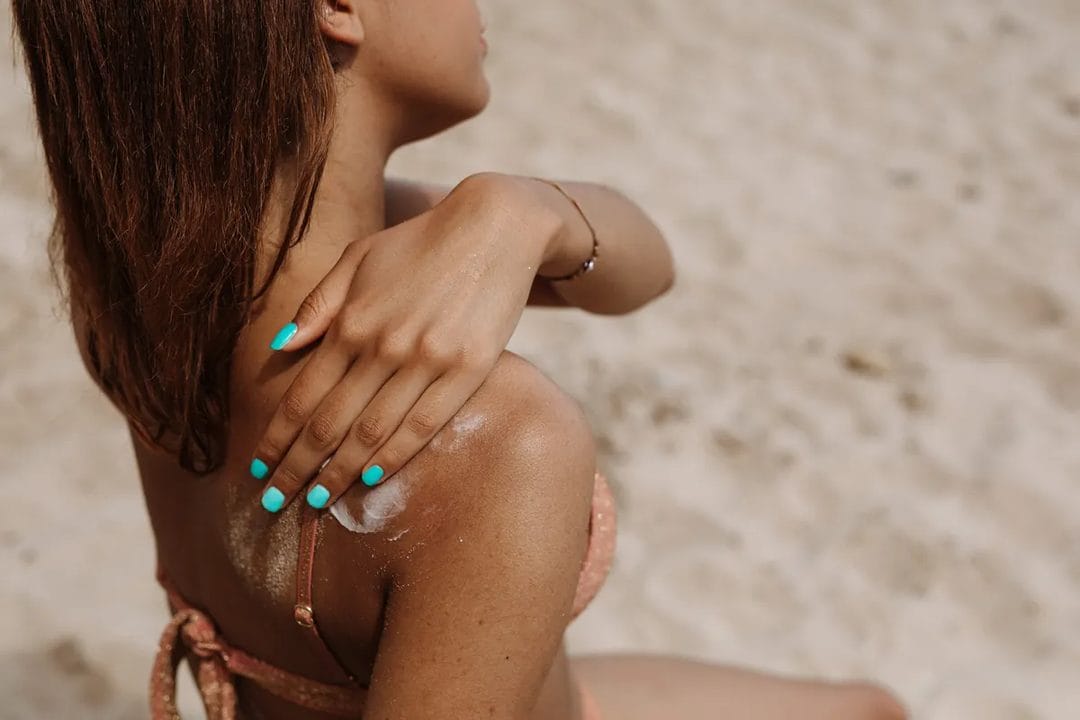
Somewhere around the third sweaty gym session of the week, most people notice the same thing: a cluster of small, tender bumps along the shoulders, upper back, or the hairline where a ponytail sits all day. It isn't sunburn, and it isn't heat rash, even though it gets blamed for both. It's body acne, and every dermatologist who treats it in July points to the same three culprits — sweat that sits too long against skin, sunscreen that clogs the pores it's supposed to protect, and workout clothes that trap all of it against your back for hours at a stretch.
Why Summer Turns Your Back Into a Breakout Zone
Body acne follows the same basic mechanics as facial acne — a mix of excess oil, dead skin cells, and bacteria clogging a pore — but skin on the back, chest, and shoulders sits thicker and produces more sebum than facial skin, which is exactly why breakouts there tend to run deeper and heal slower. Sweat gives the process an assist. It doesn't cause acne on its own, but it raises skin pH and creates a warm, damp environment where Cutibacterium acnes, the bacterial strain most implicated in breakouts, multiplies fast. Sunscreen compounds the problem in a way few people connect to their own routine: many broad-spectrum formulas rely on heavy silicone or oil-based bases to spread evenly and resist water, and those same bases sit on skin for hours under a T-shirt or sports bra, mixing with sweat into exactly the occlusive film that traps bacteria against a pore. Board-certified dermatologist Teresa Song has pointed out that the body wash people already reach for can be part of the problem, too — if it isn't formulated with a blemish-fighting ingredient, it does nothing to counteract everything else working against the skin that day. Stack all three factors on top of a normal humid July afternoon, and a back that stayed clear all winter can break out within a single week.
The Friction Factor
Tight workout clothes finish the job. Compression fabric and moisture-wicking synthetics are built to hold sweat close to the skin rather than let it evaporate, and the friction from a sports bra strap or backpack strap rubbing against damp skin for an hour irritates hair follicles enough to trigger what dermatologists call acne mechanica — breakouts caused by pressure and friction rather than oil alone. That's the version that shows up in straight lines: along bra bands, waistbands, and the backs of shoulders where a bag rides all day.
Salicylic Acid or Benzoyl Peroxide — Which One Actually Clears It
Both ingredients work, but they don't work the same way, and picking the wrong one for your skin type means wasting a full bottle before you notice. Salicylic acid is oil-soluble, so it slides into a clogged pore and dissolves the buildup from the inside — it's the better pick for blackhead-heavy, bumpy texture without much redness. Benzoyl peroxide works differently. Dermatologist Marguerite Germain notes that it's an over-the-counter, FDA-approved active that kills the C. acnes bacteria directly while also reducing oil production and helping shed dead skin cells, which makes it the stronger option for inflamed, red, pus-filled breakouts rather than surface texture alone. Neither ingredient forgives impatience, and neither one does much of anything if it only touches skin for the length of a quick rinse.
Here's the trade-off nobody puts on the label: benzoyl peroxide bleaches towels, pillowcases, and dark sheets on contact, even during a quick rinse-off wash, so anyone using it needs a dedicated white towel and about sixty seconds of contact time before rinsing — not a five-minute soak. Salicylic acid carries no bleaching risk, but it's the slower ingredient of the two, and most people give up on it around week two, right before it would have started working.
The Products Worth Buying
None of them are dramatic.
The workhorse of drugstore bacne treatment is Neutrogena Body Clear Acne Body Wash with Salicylic Acid, an 8.5-ounce bottle running about $9.97 at Walmart with a 4.5-star average across more than 2,100 reviews — it's mild enough for daily use and doubles as a decent face wash in a pinch. For breakouts that don't respond to salicylic acid alone, PanOxyl 10% Benzoyl Peroxide Foaming Wash (5.5 oz, roughly $10.67) is the concentration dermatologists reach for first, though it's worth starting three times a week rather than daily, since 10% strength dries out skin fast. PanOxyl also makes a leave-on Acne Banishing Body Spray with 2% salicylic acid (6 oz, about $14.87) built for the back and chest specifically, since spraying is the only realistic way to treat a spot you can't reach in the shower.
Two more worth knowing: Differin Acne-Clearing Body Spray (6 oz, $14.97), a fast-drying salicylic acid formula that Walmart shoppers rank as their top pick for back and chest breakouts, and Dr. Song Benzoyl Peroxide Body & Face Wash at 10% strength (8 oz, $19.99), positioned as a dual-use option for anyone who wants one product for both a stubborn back and occasional face flare-ups. Skip the $40 "detox" body scrubs promising to purify skin — none of them contain an active ingredient strong enough to touch an actual breakout, and gritty exfoliation on inflamed skin usually makes redness worse, not better.
How Long to Actually Leave It On
Contact time decides whether a treatment works at all, and it's the detail most people skip past on the label. A wash needs a minimum amount of time on skin before rinsing to let the active ingredient penetrate — three seconds under running water is functionally the same as using an unmedicated bar of soap.
The 30-Second Rule
- Apply the treatment wash to damp skin during the shower, not before stepping in.
- Let it sit for 30 to 60 seconds — about the time it takes to finish shampooing — before rinsing.
- Rinse thoroughly, then save any leave-on spray for clean, dry skin only after the shower is completely finished.
- Benzoyl peroxide washes: three times a week to start, since 10% strength dries out skin fast for most people.
- Salicylic acid washes: safe for daily use, though real results take closer to six weeks than two.
- Leave-on sprays like PanOxyl and Differin need to air-dry completely before getting dressed — skipping that step just transfers product onto a shirt instead of a pore.
Consistency beats strength almost every time. A 2% salicylic acid wash used every day for six weeks will outperform a 10% benzoyl peroxide wash used twice before getting shelved in the back of a shower caddy.
Sunscreen Without Making It Worse
Ditching sunscreen isn't the answer. Skin already dealing with active breakouts is more prone to post-inflammatory hyperpigmentation, the dark marks that outlast the pimple itself by months, and UV exposure makes that discoloration worse and slower to fade. The fix is choosing a body sunscreen labeled non-comedogenic and oil-free rather than whatever thick, water-resistant formula is already sitting in the beach bag.
La Roche-Posay Anthelios Melt-In Milk SPF 60 (5 fl oz, about $25.97) spreads thin enough to wear under clothing without the greasy residue that traps sweat, and the brand's Clear Skin line specifically targets oily, acne-prone skin with an oil-free, fragrance-free formula built around oil-absorbing technology. EltaMD UV Clear SPF 46 (1.7 oz, roughly $45) sits at the pricier end, but its niacinamide-forward formula was developed for post-procedure and acne-prone skin, and it's become a standard recommendation in dermatology offices for exactly that reason. Either one beats reapplying a $6 spray sunscreen loaded with fragrance and heavy dimethicone, which sits densest of all under compression fabric.
The Post-Workout Habits That Matter More Than Any Product
Sweat sitting on skin for more than fifteen to twenty minutes after a workout is long enough for bacteria to take hold, which is why the cheapest fix costs nothing: rinse off, or at minimum change out of wet clothes, within that window instead of running errands in gym gear first. A quick rinse with plain water and a fast pass of a treatment wash beats a longer, hotter shower two hours later, since heat and long showers strip the skin barrier without doing anything extra for the clogged pore underneath.
Laundry habits matter more than most people expect, and this is the part that gets skipped every time. Fabric softener and heavily fragranced detergents leave a residue on workout gear that sits directly against skin for the length of a session, and switching to a free-and-clear detergent is one of the few changes dermatologists describe as making a visible difference within a couple of weeks rather than months. Loose, moisture-wicking fabric — a cotton blend rather than full compression — also cuts down on the friction that turns a normal pore into an inflamed one along a bra line or backpack strap. None of this replaces an actual treatment product, but skipping it undoes whatever that product is trying to do.
Most bacne clears within six to eight weeks of consistent treatment, not overnight, and the dark marks it leaves behind can take longer to fade than the breakout itself did. Start the routine before the next heat wave hits, not after the wedding or the beach trip it was supposed to be ready for.