The boldest lipstick in the world looks rough on dry, flaking lips. Color clings to dead skin, settles into cracks, and emphasizes every bit of texture. A little prep before the color goes on is the difference between a smooth lip and a patchy one.
Why lips chap
Lips have a thin barrier and no oil glands, so they lose moisture fast and have little protection against cold, wind, and licking. They need help holding water that the rest of your face manages on its own.
- Gentle exfoliation: a soft scrub or a damp cloth lifts flakes; never pick at them.
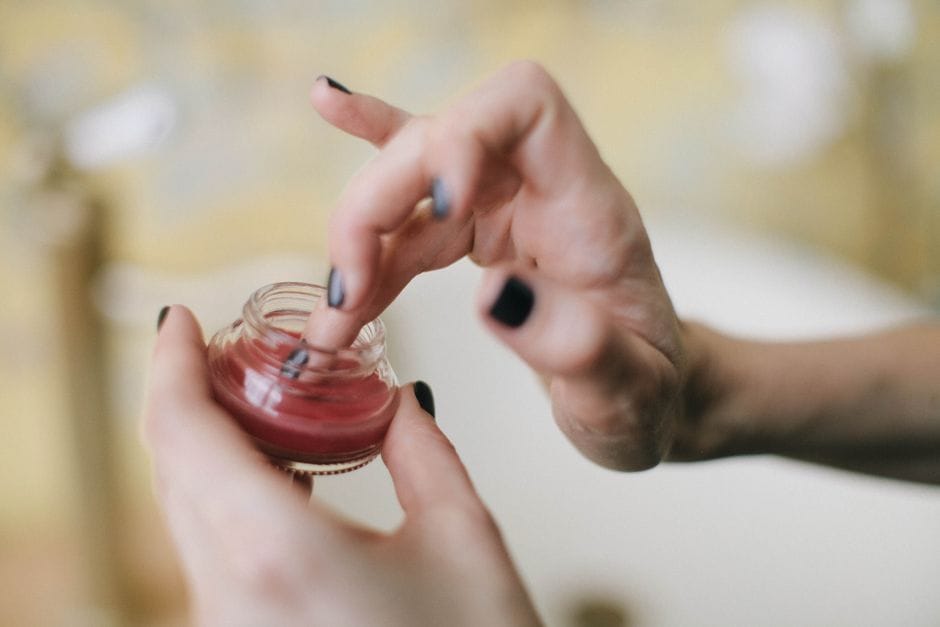
- Hydrate and wait: a balm a few minutes before color softens the surface; blot the excess so lipstick grips.
Build a base of moisture
Chapping that keeps coming back needs an overnight approach, not just a fix before makeup. A thicker balm or a lip mask at night repairs the surface so color sits better the next day.
Choose the right finish
Matte formulas show dryness most. On days when lips are not their best, a satin or creamy finish is far more forgiving and still gives color.
Exfoliate gently, hydrate, blot, then apply. Prep is short, and it makes any lip color look intentional rather than rough.