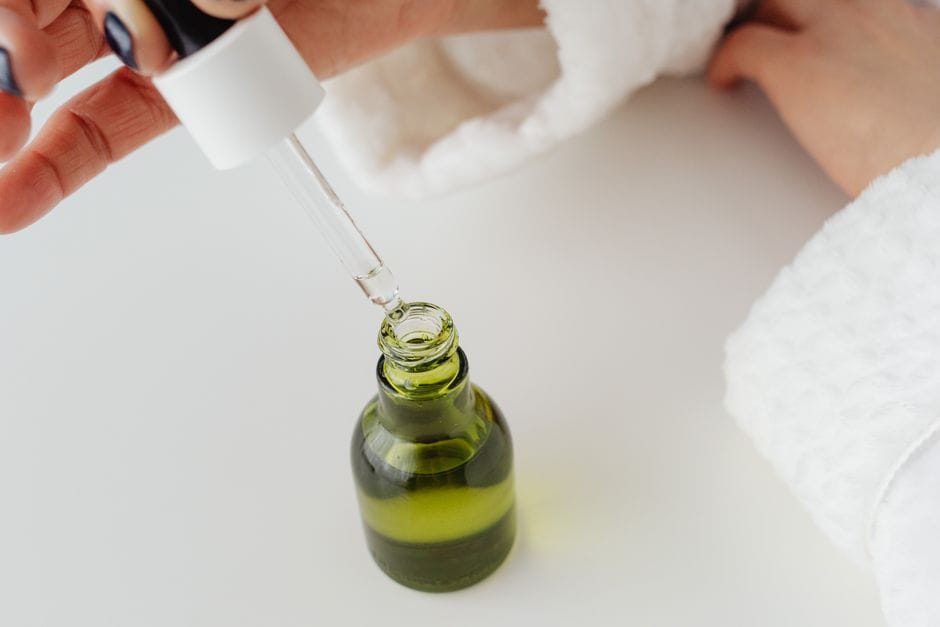
Niacinamide shows up in serums, moisturizers, and toners, and it has earned the attention. It is a form of vitamin B3 that does a handful of useful things at once, which is rare for a single ingredient. The catch is that more is not better, and the marketing rarely says so.
What it actually does
Niacinamide supports the skin barrier by helping it hold water and produce ceramides. That makes skin less reactive over time. It also calms redness, softens the look of enlarged pores, and helps even out tone where old marks linger.
- Barrier support: fewer rough patches and less tightness.
- Oil balance: it can moderate how much sebum the skin pushes out.
- Tone: gradual fading of post-acne darkness.
The right concentration
Most studies that show benefit use somewhere between 2 and 5 percent. Products advertising 10 percent are not automatically better, and high levels can leave sensitive skin flushed or warm. If you are starting out, a 5 percent serum or a moisturizer with niacinamide built in is a sensible place to begin.
How to fit it in
Apply it after cleansing and before heavier creams. It plays well with most ingredients, including retinol and hyaluronic acid, so you do not need to schedule it carefully. If you use a vitamin C serum, you can layer niacinamide afterward without trouble despite the old myth that they cancel out.
Give it eight to twelve weeks. Barrier changes are slow, and the people who quit early usually quit just before the payoff.