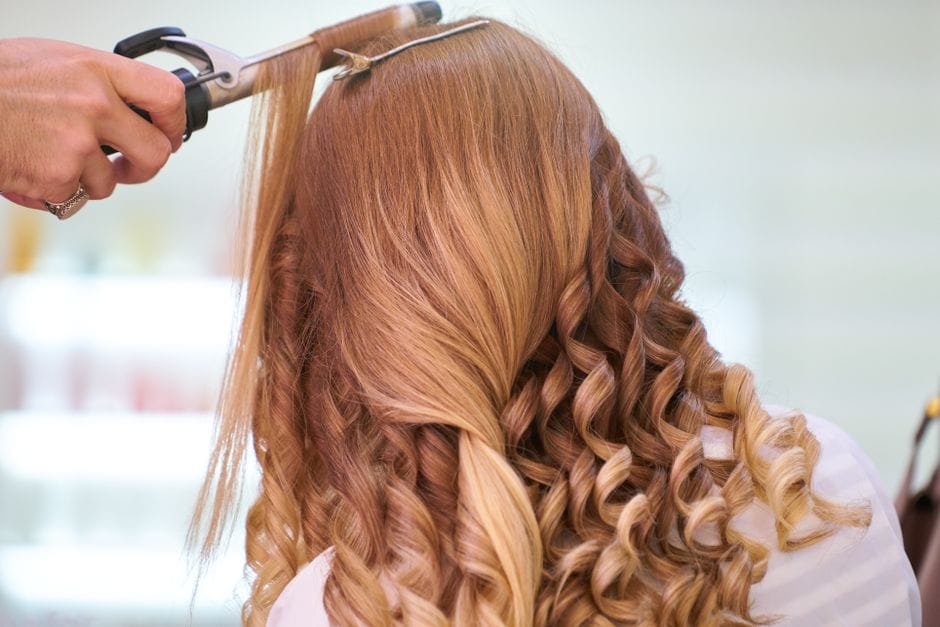
Heat styling is the fastest route to breakage and dullness, and heat protectant is the cheapest insurance against it. But the labels throw around temperatures and percentages, and it helps to know what is real and what is marketing.
How protectants work
They do not make hair fireproof. They form a thin barrier that slows how fast heat transfers to the strand and helps spread it evenly, reducing the worst of the damage. They buy you a margin, not immunity.
- Apply to damp hair for blow-drying, and to dry hair before a flat iron or curler.
- Coat evenly: missed sections take the full heat, so comb it through.
Temperature matters more than the spray
The single biggest favor you can do your hair is turning the tool down. Most hair styles well below the maximum setting, and fine or damaged hair especially does not need the highest heat. A lower temperature with a protectant beats a scorching one with the fanciest spray.
Frequency adds up
Daily heat, even protected, accumulates damage. Building in heat-free days and air-drying when you can does more for long-term hair health than any product.
Use a protectant every single time, but treat it as one layer of defense, not permission to crank the heat.