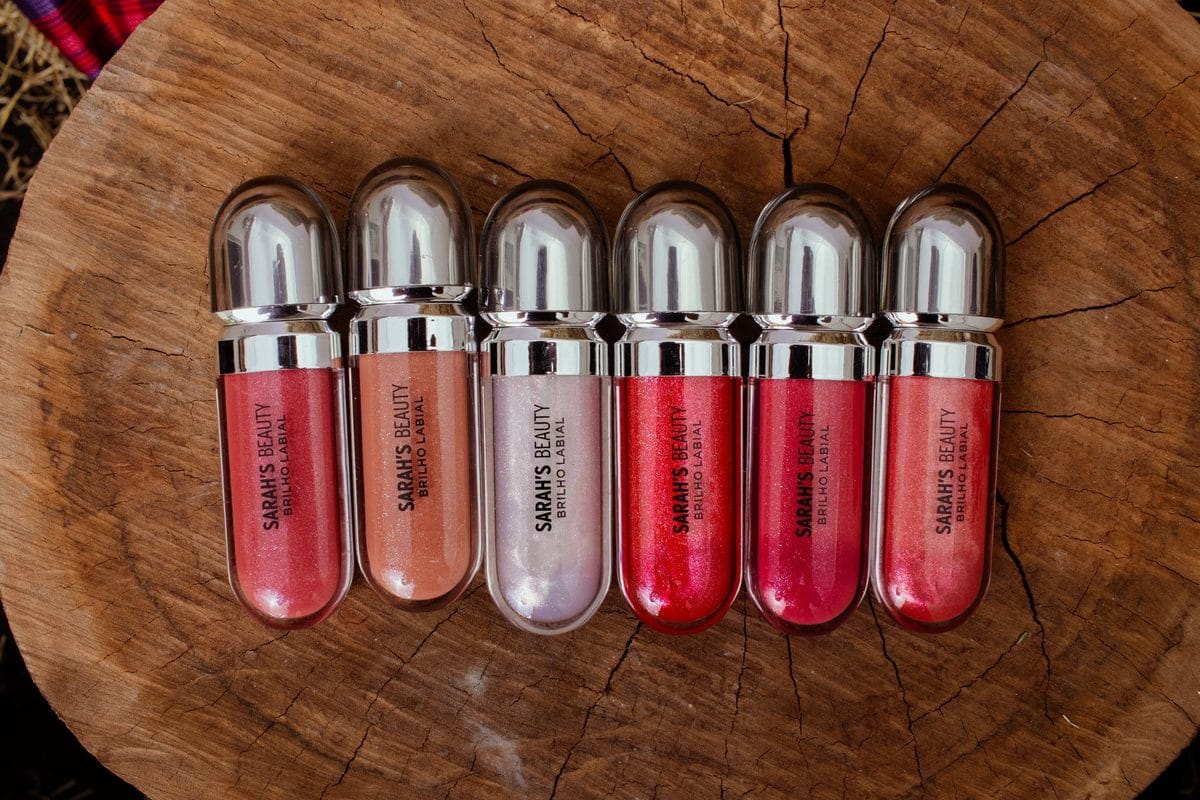
Search "Y2K makeup" on TikTok this fall and the frosted lip shows up in the first ten videos, usually paired with a claim that it's "so 2004." What the clips leave out is that the gloss doing the trending isn't the gloss from 2004. The sticky, spider-lash-inducing formulas that made your MAC Lipglass feel like flypaper by lunch have mostly been replaced with something that photographs the same way but behaves like a completely different product on skin. The frost is back. The tackiness, thankfully, is optional.
Why frosted gloss is having a real moment, not a costume one
The 2026 version of this trend is happening for a reason that has nothing to do with nostalgia marketing: brow and skin trends have quieted down. Skinny brows are gone, over-lined lips are fading, and the dominant base look right now is soft, slightly matte, minimal-color skin — a canvas that reads as understated rather than done. Frosted gloss reintroduces shine and dimension into that quiet face without adding another color decision. It's the one loud element allowed in an otherwise restrained look, which is exactly the opposite of how frost was used in 2003, when it sat on top of glitter eyeshadow, a shimmer bronzer, and body glitter at the collarbone. Wearing the same product today against a bare, matte base reads as intentional rather than dated — the frost has nowhere to hide, so it has to actually look good on its own.
That distinction matters more than most trend explainers admit. A frosted gloss worn exactly the way it was worn in 2004 — thick application, no lip liner, paired with frosted eyeshadow and a shimmer highlighter three shades too light — reads as costume, and TikTok comment sections are not shy about saying so. Worn with restraint against a modern base, the same tube reads as current. The product hasn't changed as much as the styling around it has, and that's the part worth understanding before you buy anything.
The old formula problem, and what actually changed
If your last frosted gloss was purchased before 2010, throw it out before you try this — the base has almost certainly oxidized, and even if it hasn't, the formula category itself has moved on. Classic 2000s frost relied on mica and bismuth oxychloride suspended in a heavy, waxy base (think original MAC Lipglass or the drugstore NYX Mega Shine tubes), which gave you serious shine but also serious tack, and tack is what pulled hair onto your lips in the wind and made the gloss migrate into fine lines by hour three. Most current frosted glosses swap that wax-heavy base for an oil-or-gel base closer to what a lip oil uses, which carries the shimmer without the glue-like grip.
e.l.f.'s Lip Lacquer, at $7, is a genuinely good entry point if you want to test whether frost suits you before spending more — it has visible metallic shimmer and a thinner, less sticky feel than anything from the original Y2K era. Fenty Beauty's Gloss Bomb in the Fenty Glow shade ($21) leans warmer and gold-toned rather than icy, which reads better on medium and deep skin tones than the blue-white frost that dominated 2000s shelves and flattered almost nobody outside very fair skin. For something closer to true period-correct frost — that cool, almost lavender-white shimmer — Makeup Revolution's Glaze Lip Oils run around $8 and are worth seeking out specifically for that undertone, since most 2026 gloss lines have quietly warmed up their shimmer to suit a wider range of skin. If you want to spend more, Dior's Lip Glow Oil ($40) isn't marketed as a frost product but has enough fine pearl in the clear shade to do the job while adding actual lip care, which none of the drugstore options really bother with. Skip anything under $5 sold specifically as a "Y2K gloss" tie-in — most of those are repackaged old-style wax formulas riding the trend name, and the tack problem comes right back with them. Read the ingredient list for dimethicone or a plant oil near the top rather than beeswax or candelilla wax, and you'll usually get the newer, lighter texture without having to guess from the marketing copy.
Application: the part everyone gets wrong
The single biggest difference between a good 2026 frosted-gloss look and an accidental 2004 throwback isn't the product — it's how much of it goes on, and where.
Apply a thin layer to the center of the lips only, then press your lips together once to spread it outward, rather than dragging the wand edge to edge. This keeps the concentration of shimmer where light naturally hits — the center of the bottom lip — and lets the shimmer fade out toward the corners instead of sitting in a flat, even sheet across the whole mouth. A flat, edge-to-edge layer is what makes a gloss look like 2004; a center-weighted layer is what makes the same tube look like a 2026 TikTok video. If your lips are on the drier side, skip lip liner entirely underneath — liner grips the gloss's shimmer particles and can make them cluster unevenly along the lip line rather than sitting flat. A light balm underneath instead, applied a full minute before the gloss so it actually absorbs, does more for a smooth finish than any liner will. Reapply from the center out rather than swiping the wand across the whole mouth again once the first layer wears down around lunchtime — a fresh full swipe over a half-worn layer is exactly how the shimmer starts clumping unevenly by mid-afternoon.
One thing that will not save a bad frost application: layering more product on top when it starts looking patchy. That just adds more shimmer particles for light to catch unevenly. Blot once with a tissue, let the base layer settle, then add a second thin pass if you still want more shine — don't just pile on.
Pairing it with a face that doesn't look like 2004
The rest of the makeup is doing more work than the gloss itself, and this is where most people who "try the trend and it doesn't work on me" go wrong. Keep brows full and natural rather than thin and arched — the thin, heavily-shaped brow is the single strongest visual marker of the actual 2000s, and pairing frosted gloss with it will read as costume no matter how good the gloss looks on its own. Skin should stay soft-matte to satin rather than dewy; a shine-on-shine look between skin and lips reads oily rather than styled. Save shimmer for one more spot at most — the inner corner of the eye or a light wash on the lid — and treat that as the ceiling, not the starting point. The original era piled shimmer everywhere at once; the version that photographs well now treats it as a single deliberate accent.
Blush placement matters more than people expect here too. A high, cheekbone-forward blush in a warm peach or rose tone balances a cool-toned frosted gloss and keeps the whole look from reading flat or washed out, especially under indoor lighting where blue-white shimmer can look almost gray against pale or olive skin. If you're using one of the warmer, gold-toned frosted glosses like the Fenty Gloss Bomb shade mentioned above, a cooler-toned blush works better as the counterbalance — matching temperature everywhere tends to flatten a face rather than define it.
Who this actually doesn't suit, and when to skip it
Frosted gloss is not universally flattering, and no amount of application technique changes that. Very chapped or textured lips will show every flake and line under shimmer in a way a cream or satin lipstick simply doesn't — the light-catching particles sit on top of whatever texture is already there and exaggerate it. If your lips need real repair, spend two weeks on an overnight lip mask before you spend money on a frosted gloss; the gloss will look better and last longer once the surface is actually smooth. Fair, cool-undertone skin genuinely does suit the icy blue-white frost that most people associate with the original trend, while warmer or deeper skin tones almost always look better in the gold, copper, or rose-frost versions rather than the true white frost — this is the one place where the "test it yourself before committing" advice matters more than any general rule.