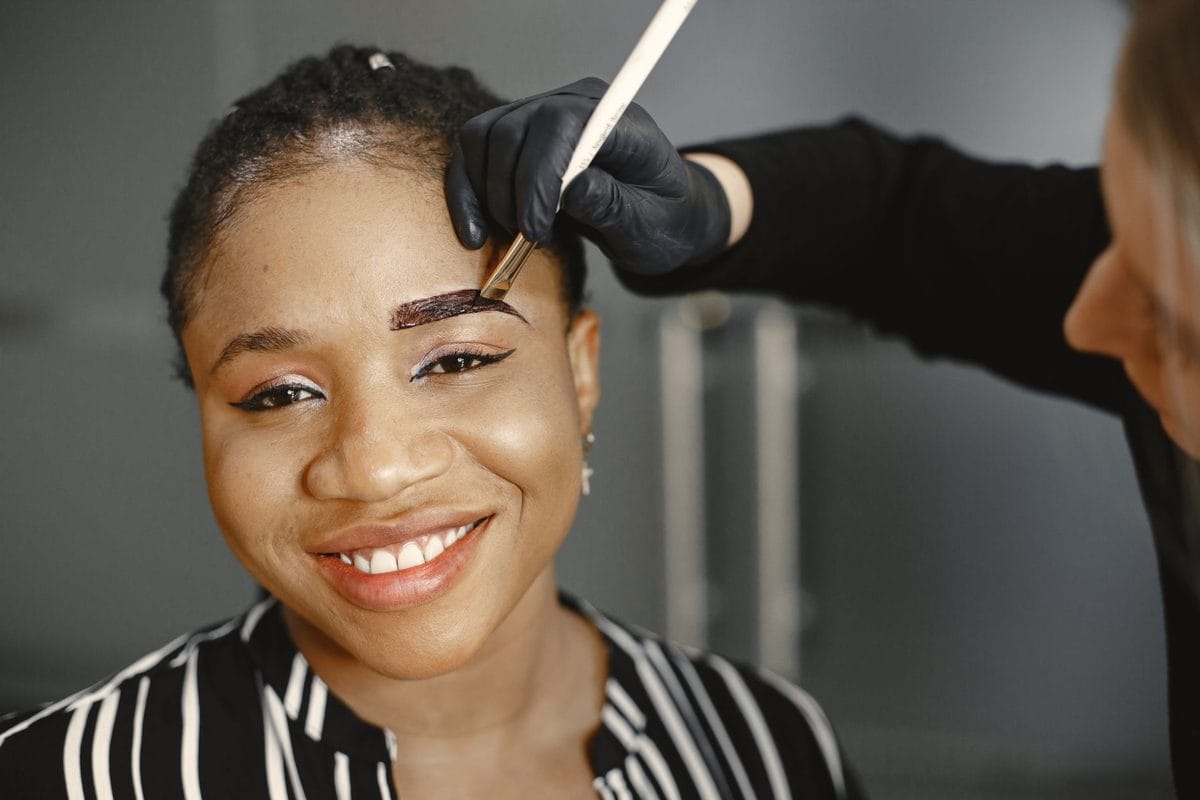
Brow lamination has gone from a salon specialty to a standard booking in a lot of fall calendars. The pitch is easy to understand: brows that look brushed up and neatly set, without the daily pencil routine. Before you book, though, it helps to know what the treatment actually does, how long the result lasts, and which situations call for a different choice. This guide walks through the process, the realistic timeline, and the questions to ask your technician before anything touches your skin.
What brow lamination actually does
Brow lamination is a chemical treatment that sets the hairs in a specific direction. A lotion first softens the keratin bonds inside each hair so it can be shaped, the brows are brushed upward and combed into place, and a second product fixes the new position. The result is that the hairs lie flat and in the same direction for several weeks, which many people describe as a brushed-up, feathered look. It does not change the hair color, and it does not make the brows thicker. It changes the arrangement of hairs that are already there.
That distinction matters when you compare treatments. Tinting darkens the hair, shaping with wax or threading removes stray hairs from the outline, and microblading or powder brows add pigment to fill gaps. Lamination sits in a different category. It is the right choice if your brows are full but unruly, or if they tend to look sparse only because the hairs point in too many directions. It is a poor match if you want to fill a gap in the tail, because no amount of setting will create hair that is not growing.
The process, step by step
A typical appointment runs about forty-five minutes to an hour. The technician cleanses the brows and the skin around them to remove oil and makeup, which helps the product grip the hairs. A protective barrier goes on the skin so the solutions do not irritate it. The first lotion is applied to the hairs, usually left on for a set time, and then removed. The brows are brushed into the shape the technician wants, and a neutralizing solution is applied to lock them in place. Finally, a nourishing serum or oil is added to finish.
Ask what products are used and whether the brand has ingredient information available. Some kits contain thioglycolate or similar reducing agents, which are strong and need to be used by someone trained in handling them. A trained technician will keep the timing short, rinse thoroughly, and check the skin during the process. If the person working on you seems casual about timing or does not mention a patch test, treat that as a warning.
Who should skip it
Brow lamination is not a good idea for everyone. People with a known sensitivity to hair or skin products, including reactions to dye or permanent waving solutions, should avoid it or ask for a patch test at least a day before the appointment. Anyone with an active skin condition on the brow area, such as eczema, a rash, an open cut, or a recent burn, should wait until the skin is healthy. People who have recently had a chemical treatment on the same area, such as a perm or an intense tint, should discuss timing with their technician, because layering treatments can make the hair more fragile.
Pregnancy is a common question. Many salons advise waiting until after the first trimester, and some recommend checking with a doctor first. The reason is mainly caution about chemical products, and the decision belongs to you and your provider. If you are unsure, ask for the ingredient list and bring it to your doctor.
How long it lasts and what the upkeep looks like
Most clients see results that last about six to eight weeks. The hairs grow out at their normal rate, so the lamination gradually loosens as the new hair comes in. Results depend on your hair type, how thick and coarse the hairs are, how often you wash your face, and whether you rub the brows or use oil-based products on them. Coarse, straight brows often hold a set longer than fine, curly ones.
Aftercare is simple but important. For the first twenty-four hours, avoid getting the brows wet, sweating heavily, or rubbing them, because the set is still settling. Skip steam, saunas, and heavy workouts that day. Use an oil-free cleanser and gently brush the brows upward each morning to keep the shape. Many people use a clear brow gel for hold between appointments. Avoid harsh exfoliants near the brows for a few days, since they can irritate the skin and make the result look uneven.
Lamination, shaping, and what to ask your technician
If your goal is a clean, defined shape rather than a fluffy look, combine lamination with a professional shaping session or ask whether they offer a light trim of stray hairs. Some clients prefer to book lamination about a week after a shape appointment, so the outline has time to settle. Be honest about what you want. A good technician will tell you if your brows are too sparse for the result you have in mind, and they will suggest a different approach if lamination will not deliver the effect you are looking for.
Before the appointment, ask three simple questions. What products do you use, and do you have the ingredient list available? How do you test for sensitivity, and what happens if I react during the service? How often do you recommend booking, and what does a realistic budget look like for a year of maintenance? The answers tell you a lot about the training and care you will get, and they set expectations so you are not surprised by the cost or the timeline.
Comparing lamination with a brow tint
Many clients ask whether they should choose lamination or a tint, and the honest answer depends on what is bothering them about their brows. A tint changes color, which matters if your brows are light and disappear next to your lashes. Lamination changes direction, which matters if your brows are dark enough but look messy or sparse at the front. Some people book both on the same day, but the technician should space them out, because both treatments involve chemicals and it is easier to judge the result one step at a time. If you are unsure, start with the treatment that addresses your main complaint, and add the second one later.
Cost and time matter too. A tint is usually quicker and sometimes cheaper, while lamination takes longer and often costs more per visit. Maintenance differs as well. A tint lasts several weeks and fades gradually, while lamination loosens as the hairs grow out. Think about how often you want to sit in a chair, and whether you prefer a result that softens slowly or one that drops off in a clear timeline.
The bottom line for fall
Brow lamination is a useful option for brows that are full but unmanageable, and it can make a fall look feel polished without much daily effort. It is not a cure for thin brows, and it is not appropriate for every skin type or every stage of pregnancy. Set realistic expectations, do the patch test if one is offered, and treat the aftercare seriously for the first day. If the first session works well, you will know what to ask for next time, and you can decide whether the six-week rhythm fits your routine.