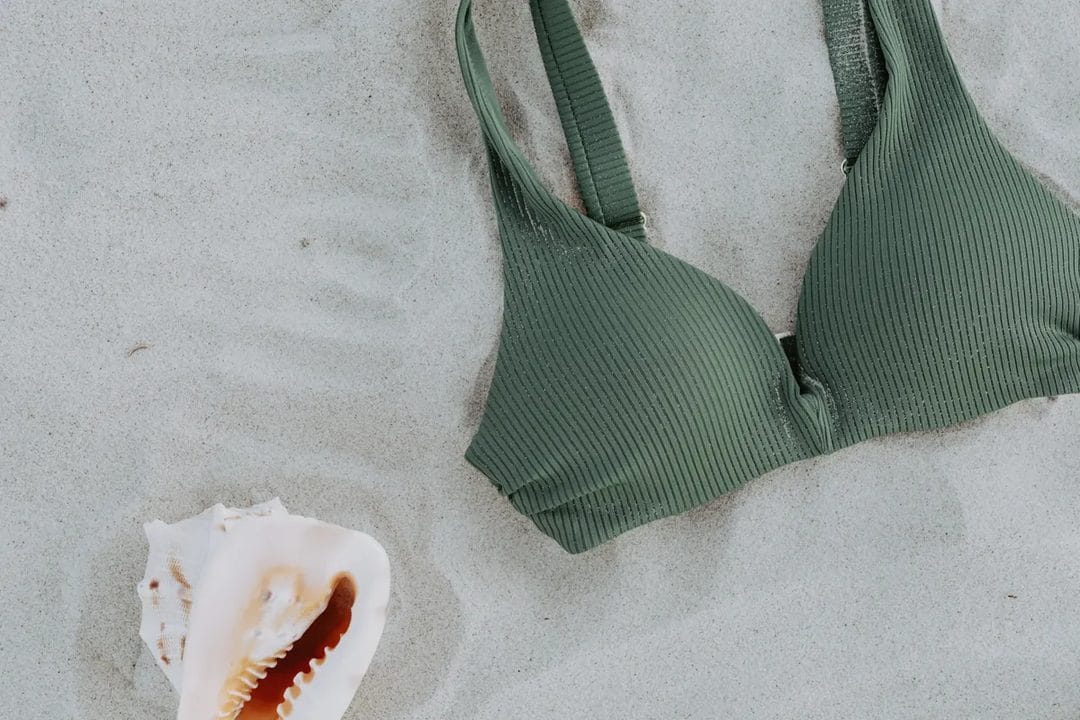
You wear a swimsuit maybe forty times a summer, and somewhere around wear number fifteen the fabric starts to feel different in your hand — thinner, slightly tacky, less springy when you stretch the strap. That's not your imagination. It's chlorine, sunscreen, and UV light working on spandex at the molecular level, and by the time the color has visibly faded, the elastane fibers underneath are already halfway gone. Most people treat swimwear like any other summer clothing: wear it, rinse it if they remember, toss it in a drawer until next year. That approach is why a $70 suit from Speedo or Andie looks like a $15 one by August.
Why swimwear breaks down faster than everything else in your closet
Spandex — also sold as Lycra or elastane, depending on the brand — is a polyurethane-based fiber, and chlorine is genuinely corrosive to it. Pool water at a standard 1–3 ppm chlorine concentration slowly breaks the polymer chains that give the fabric its stretch, which is why a suit worn daily in a chlorinated pool degrades in six to eight weeks, while the same suit worn occasionally at the beach can last two or three seasons. Saltwater is gentler on the fibers themselves but leaves crystallized salt embedded in the weave, which acts almost like sandpaper against the fabric every time you sit down or towel off. Add sunscreen — specifically the oxybenzone and avobenzone in chemical formulas like Neutrogena Beach Defense or La Roche-Posay Anthelios — and you get a third mechanism: those compounds react with synthetic dyes and accelerate color loss, which is why the print on a suit often fades before the elastic gives out. Nylon-based suits tend to hold their color longer under this combined assault than polyester blends, which is one reason higher-end brands lean on nylon-spandex construction even though it costs more to produce.
None of this is a reason to skip sunscreen, obviously — skin cancer risk outweighs a faded swimsuit by an absurd margin. But it does mean the fabric is fighting three separate chemical processes every single time you wear it, and the aftercare matters more than people assume. Chlorine damage is largely invisible until it isn't: a suit can look fine and then lose its shape entirely after one more wash, because the fiber breakdown is gradual until it crosses a threshold and the elastic simply stops recovering.
The rinse rule almost everyone skips
Rinse your suit in cool, plain water within thirty minutes of leaving the pool or ocean. Not that night, not "when you get home from the beach house" — as soon as you're out of the water and can get to a shower or a hose. Chlorine keeps reacting with the fabric for as long as it sits there wet, and the concentration is highest in the minutes right after you swim, before evaporation and dilution start working in your favor. A quick thirty-second rinse under any faucet removes most of the residual chlorine and salt before it has time to set into the fibers.
Skip the shampoo at the pool shower — plain water is enough for this step, and most public shower soap is harsh enough to strip the fabric's finish along with everything else. Save the actual cleaning for later, at home, with something formulated for delicates.
Hand-washing beats the machine, and it's not close
Machine washing — even on delicate cycle, even in a mesh bag — puts swimwear through more mechanical stress than the fibers can really handle over a season. The agitation stretches wet elastane past its recovery point repeatedly, and standard laundry detergent is formulated to break down oils and proteins, not to protect spandex. Hand-wash instead: cool water, a capful of a gentle detergent like Woolite Delicates or a dedicated swimwear wash such as Suit Shop's Chlorine Out, and no more than two or three minutes of gentle swishing. Don't wring the suit — squeeze the water out by pressing it between two towels.
Here's the part people get wrong most often: they think more washing equals more cleanliness, so they wash after every single wear, which is exactly the habit that shortens a suit's life. Rinse after every wear, but only hand-wash with detergent every third or fourth wear, or whenever the suit has been in a pool rather than the ocean. That's the actual balance between hygiene and fabric preservation, and it's a real trade-off — there's no version of this where you get maximum cleanliness and maximum longevity at the same time.
Drying is where most of the real damage happens
Never put a swimsuit in the dryer. Heat is the single fastest way to kill elastane — a few cycles in a hot dryer will permanently collapse the stretch recovery in a suit that would otherwise have lasted all summer, and there's no fixing it once it happens. Lay the suit flat on a clean, dry towel, away from direct sun, and let it air dry. Direct sunlight while wet is nearly as damaging as a dryer, since UV exposure on damp fabric accelerates the same dye and fiber breakdown that happens in the water, just through a different mechanism. Even the low-heat setting on a dryer does measurable damage over a season — it's not just the high-heat cycle that's the problem, so "just a quick tumble on low" isn't the safe workaround it sounds like.
Avoid hanging suits by the straps to dry, especially bikini tops with underwire or molded cups — the wet weight stretches the shoulder elastic unevenly, and you'll notice one strap sitting looser than the other by mid-July. Flat drying takes longer, usually four to six hours depending on humidity, but it's the only method that doesn't cost you shape.
Storage: between wears and at the end of the season
During the season, store suits fully dry in a drawer, not balled up damp in a beach bag for three days until the next trip — that's how mildew smell gets embedded in synthetic fabric, and once it sets in, it rarely washes back out completely. A breathable mesh bag or just a folded stack works fine; the fabric doesn't need anything special short-term.
End-of-season storage is where most people either do nothing (fine, but not ideal) or make it worse by storing suits in a sealed plastic bin, which traps residual moisture and encourages the exact mildew problem you were trying to avoid. Wash once more, dry completely — genuinely completely, not "dry to the touch" — and store folded in a breathable cotton bag or pillowcase in a drawer that doesn't get direct heat, like an attic storage space in summer. Skip vacuum-sealed bags for anything with elastic; compressing spandex for months at a time can affect its memory even while it's not being worn.
When a suit is actually done, not just old
Fabric that's gone sheer when stretched, an inability to hold its shape after washing, a fit that's noticeably looser than when you bought it — those are all signs the elastane has broken down past the point of aftercare fixing it. Fading alone isn't necessarily a reason to replace a suit; plenty of faded suits still have full structural integrity and just look a little sun-bleached, which honestly reads as lived-in rather than shabby. But once the recovery is gone, no amount of careful washing brings it back, and wearing a suit past that point usually means less support and more shifting in the water than you'd want.
A well-cared-for suit in the $60–90 range — think Andie, Summersalt, or Speedo's Endurance+ line, which uses a chlorine-resistant fiber blend specifically to slow this whole process down — can reasonably last two to three full summers of regular wear if you rinse promptly, hand-wash sparingly, and never touch the dryer. Skip any one of those three habits and you're looking at a single season before the stretch gives out, which is an expensive way to relearn a habit that costs nothing but thirty seconds at the pool shower.