Skincare gets all the attention, but how you sleep affects your skin more than most people credit. The hours you are unconscious are when skin does much of its repair, and a few overlooked details, including what your face rests on, quietly shape how you look in the morning.
Repair happens overnight
Skin increases its renewal while you sleep, which is why nighttime is the right slot for treatments like retinol. Shortchanging sleep does not just cause dark circles; it slows the repair that keeps skin looking healthy.
- Consistent sleep: regular, sufficient rest shows up as better tone and fewer flare-ups.
- Hydrate before bed: a good moisturizer at night supports the overnight repair.
The pillowcase factor
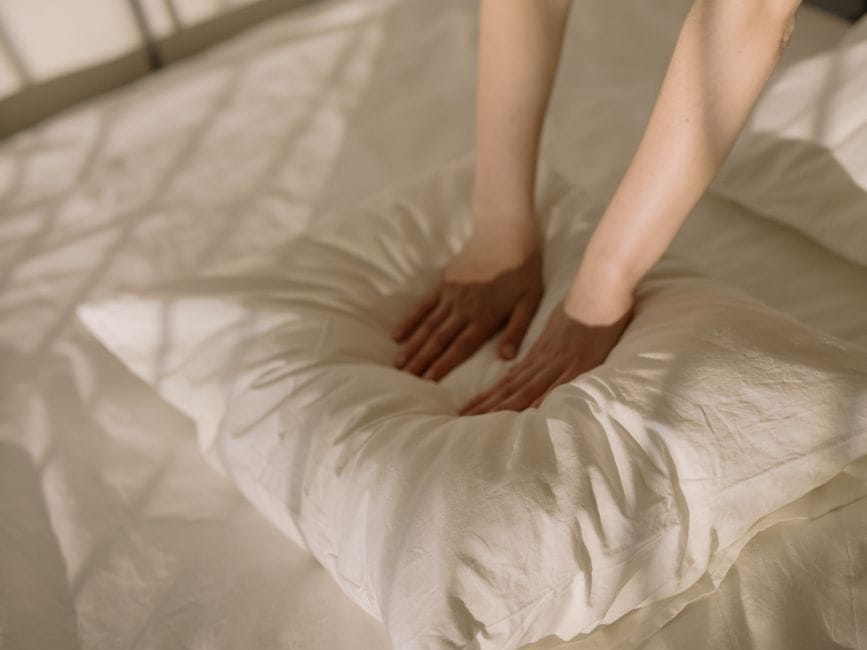
A cotton pillowcase tugs at skin and absorbs the products you just applied. A smoother silk or satin surface creates less friction, which means fewer sleep creases and less product wicked away before it can work.
Sleep position leaves marks
Pressing the same side of your face into a pillow every night can deepen creases over time. It is a small thing, but back-sleeping spreads the wear more evenly for those who can manage it.
Keep it clean
Pillowcases collect oil and bacteria fast. Changing them often is an easy, underrated step for clearer skin, especially if you are breakout-prone.
Prioritize real sleep, moisturize at night, switch to a smoother pillowcase, and wash it often. Your skin does its best work while you rest.