By the Fourth of July most people have the face thing handled. You've got your daily SPF, maybe a tinted mineral one from EltaMD or Supergoop that you actually like wearing. And then you walk around all summer with sun damage quietly accumulating on the backs of your hands, your chest, your ears, and the tops of your feet — the places nobody mentions until a dermatologist points to them years later. The face gets all the attention, and the rest of you pays for it.
The map of where people miss
Ask any dermatologist where they see the worst cumulative damage and they'll rattle off the same list, and it's almost never the face. The backs of the hands are first, because they're exposed every time you drive, and the steering-wheel hand often shows it worse. The chest and décolletage come next — that crepey, freckled, slightly leathery look on a V-neckline is sun, not age, and it's largely preventable. Then the ears, the back of the neck under shorter hair, and the tops of the feet in every sandal you own.
None of this is vanity, or not only vanity. The most common skin cancers show up in exactly these chronically exposed, rarely protected spots. The chest and the backs of the hands are also where the visible signs of aging show up earliest and respond least to the expensive creams you'd throw at them later. Prevention is genuinely the cheap part here.
How much you actually need
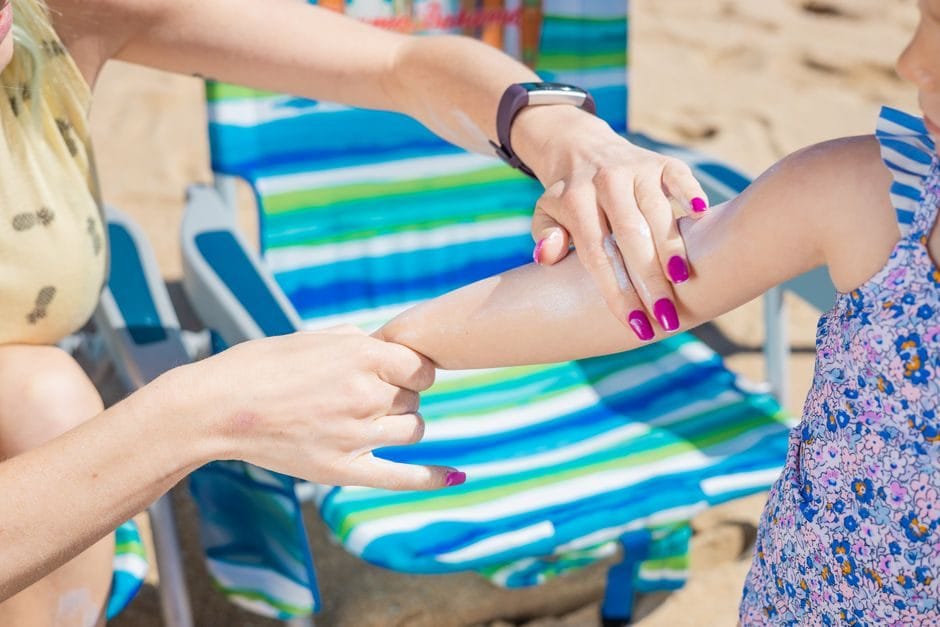
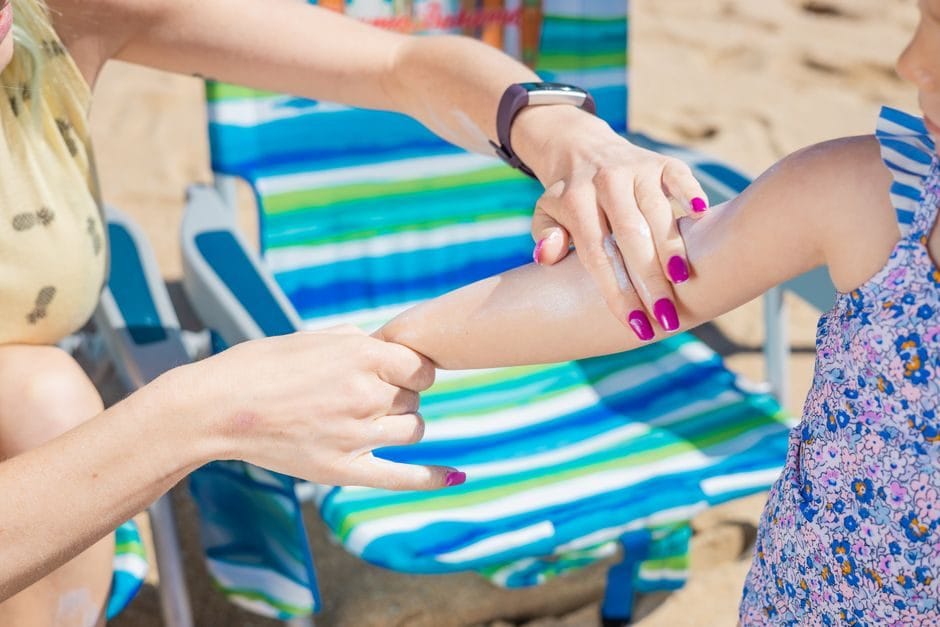
The reason body SPF fails isn't usually the product — it's that people use a fraction of what the testing assumes. The standard guideline is about an ounce, a full shot glass, to cover an adult body, and almost nobody applies that much. Then there's the part everyone forgets: it wears off. Sweat, towel-drying, and a swim take it down well before the bottle's "80 minutes water resistant" promise, so reapplication every two hours outdoors isn't marketing, it's the actual requirement.
The best sunscreen is the one you'll actually reapply. A $12 drugstore lotion used correctly beats a $40 one you put on once at 9 a.m.
For the body, a cheap, generous approach wins. CeraVe and Neutrogena both make large body lotions with broad-spectrum SPF 50 that run around $12 to $18, and at that price you won't ration it the way you might ration a tiny luxury tube. For the hands specifically, the trick is a small SPF hand cream kept in the car and the bag, because handwashing strips it through the day and the morning application is long gone by lunch.
The spots that need a different approach
- Lips: most face SPF stops at the lip line. A balm with SPF 30, like the Sun Bum or Supergoop ones, reapplied like any ChapStick, covers a spot where skin cancer is genuinely dangerous.
- Ears and the part in your hair: a spray is the realistic answer for the scalp; for ears, just include them when you do your face and don't pretend you'll remember otherwise.
- Feet: the one place people apply sunscreen lying down on a towel and then never again. The tops of the feet burn badly and peel for days.
- Hands while driving: UVA goes straight through a car window, which is why that one hand often looks older. A long sleeve or a clip-on window shade does more than you'd think.
One honest caveat, because the all-or-nothing messaging around sun does more harm than good: you don't need to treat the sun like radiation poisoning and hide indoors all summer. A little sun is how most people make vitamin D, and the goal isn't zero exposure — it's not burning, and not racking up the slow, invisible damage on the parts you forgot you had. There's a real difference between a tan you got walking the dog and a sunburn you'll regret.
Building the five-second habit
The whole thing collapses if it's a project. Keep a body SPF by the door and the hand cream in the car, do the obvious bits when you do your face, and reapply when you'd naturally reach for water or shade anyway. Make it something you grab on the way out, not a ten-minute ritual you'll abandon by August.
Your face has had years of being fussed over. This summer, give the backs of your hands the same five seconds.